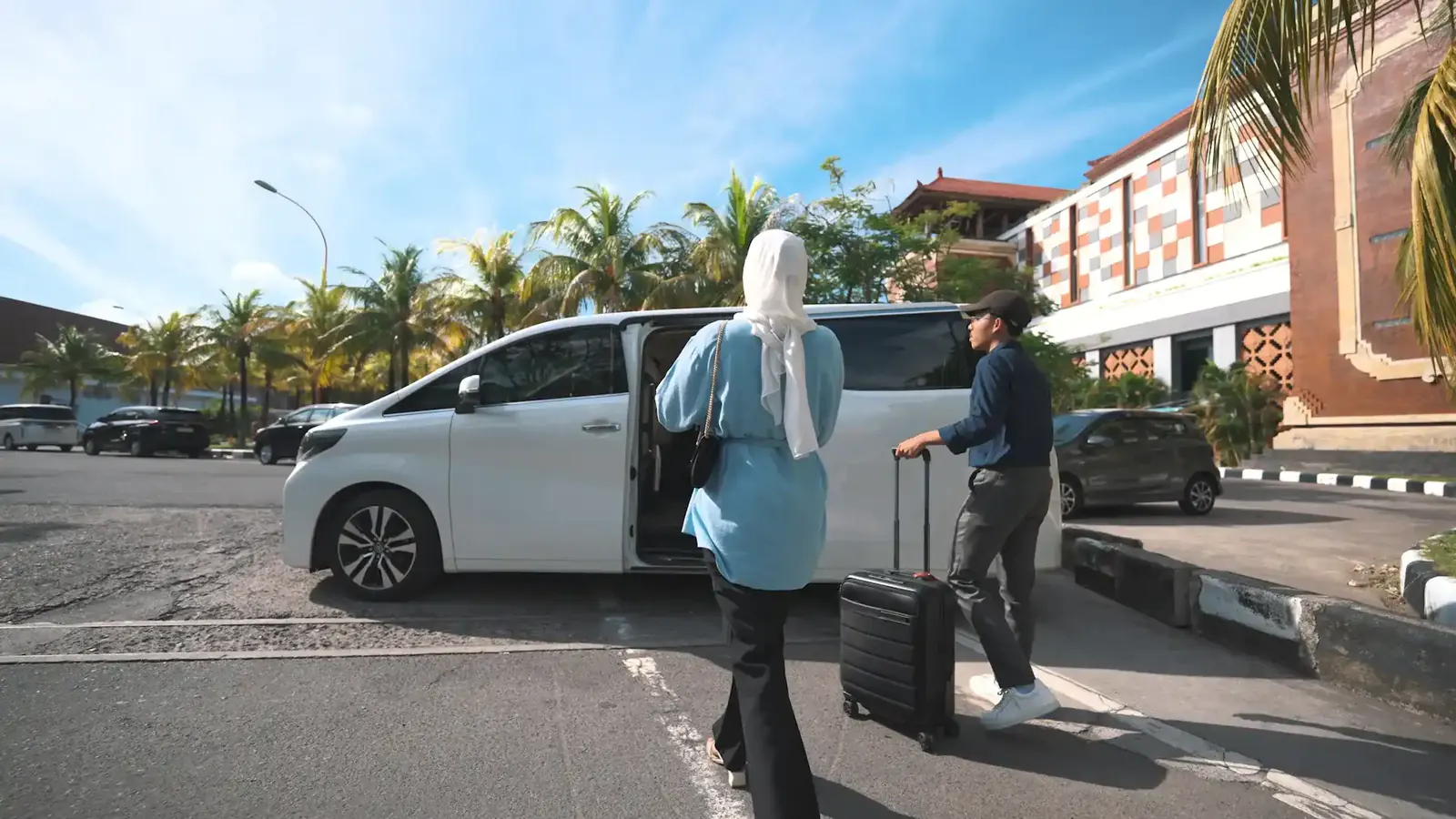
How to Apply for the E33G Digital Nomad KITAS From Start to Approval
The E33G Digital Nomad / Remote Worker KITAS is Indonesia’s main one-year stay permit for genuine digital nomads who work only for overseas employers or clients, can prove at least USD 60,000 annual income and hold at least USD 2,000 in savings. It offers a multiple-entry stay of up to one year, making it the current “gold standard” for legally living and working remotely from Bali as a foreigner.
Below, I will walk you through the E33G process step-by-step – from checking your eligibility to getting your KITAS approved – so you can focus on finding your ideal bali nomad villa and settling into island life.
By the Bali Nomad Villa editorial desk
1. What the E33G Digital Nomad KITAS Actually Is
The E33G is a Remote Worker KITAS – a limited stay permit designed for foreigners who live in Indonesia while working remotely for companies or clients based outside Indonesia.
With this permit you can typically:
- Stay in Indonesia for up to 1 year on a single approval.
- Enter and exit on a multiple-entry basis during its validity without constant visa runs.
- Carry out remote work as an employee, contractor, or founder of a business registered outside Indonesia.
- Travel around Bali and the rest of Indonesia as a tourist, join meetups, and attend events.
What you cannot do on E33G:
- Earn any income from Indonesian entities or individuals (no local salaries, freelance gigs, or onshore consulting).
- Be employed by an Indonesian company (that requires a work KITAS, not E33G).
In practice, this permit has replaced the old “tourist-on-a-laptop” grey area. If you are living long-term in a bali nomad villa, working online for foreign clients, E33G is the clean, compliant way to do it.
2. Check If You Are Eligible
The E33G is substance-based: immigration looks at what you do, who pays you, and whether your finances are strong enough to support a year in Indonesia without local income.
You are a good fit if:
- You are a non-Indonesian citizen.
- You have a formal relationship with a company registered outside Indonesia (employment contract or appointment letter), or clearly structured remote income from overseas clients only.
- You can prove at least USD 60,000 per year in income (around USD 5,000/month).
- You can show personal savings of at least USD 2,000 in the last 3 months of bank statements.
- Your passport is valid at least 6 months beyond your entry date; many agents still prefer 12+ months for smoother processing.
- You have no serious criminal record and are not on any immigration blacklist.
If you plan to rent a digital nomad villa Bali long term and your income is borderline, take time to tighten your documentation first (for example, updated payslips or a clearer employer letter) before starting the visa process.
3. Prepare Your Documents
Most agencies working with digital nomads in Bali will ask you for a similar core set of documents for the E33G application.
Identity & Travel Documents
- Passport scan (ID page), with at least 6 months validity and a few blank pages.
- Recent passport-style photo on a light background (commonly 4 × 6 cm or standard biometric size).
Financial Documents
- Bank statements (last 3 months) from your main personal account, showing at least USD 2,000 balance.
- Proof of income ≥ USD 60,000/year, for example:
- Employment contract stating your salary, and/or
- Recent payslips, and/or
- Letter from your employer confirming your annual salary, and/or
- Tax return or other official income proof from your country of residence.
Work & Background Documents
- Employment contract or appointment letter with a company legally registered outside Indonesia.
- Curriculum Vitae (CV) outlining your role and professional background.
- Optional but often recommended: a brief explanation letter confirming that all your work is performed remotely and that you have no Indonesian clients or income.
Other Supporting Documents
- Health or travel insurance covering your stay in Indonesia (commonly requested for 6–12 months).
- Travel plan: estimated arrival date and initial address (this can be your booked bali nomad villa or first month’s accommodation).
- Police clearance / criminal record check from your home country if required for your nationality.
Any documents not in English or Bahasa Indonesia should be translated by a sworn translator. Many applicants underestimate how often immigration officers scrutinise small inconsistencies (dates, job titles, salaries), so it is worth going through everything line by line before submission.
4. Step-by-Step: From First Message to Approval
Timelines vary depending on workload at immigration and the service level you choose, but this is the typical journey a digital nomad follows with a specialist agency.
Step 1 – Free Pre-Check
- Share your situation with the agency’s concierge via WhatsApp or a quick form: nationality, type of remote work, approximate income, and preferred start date.
- You will usually receive a simple “yes/no/needs-work” assessment within 24–48 hours.
Step 2 – Document Gathering
- Collect and scan all required documents (passport, bank statements, employment contract, proof of income, insurance, CV).
- Decide on your planned arrival window – remember that once approved, you generally have a 90-day window to enter Indonesia.
Step 3 – Application & Payment
- Your agency prepares your application for the Indonesian immigration system.
- Typical all-in pricing in Bali (government fees + service fees) ranges roughly between IDR 18–30 million, depending on speed, communication level, and added services such as family dependants or concierge support.
- You pay the agreed fee and approve the final document set.
Step 4 – E-Visa Approval
- Processing can take from several working days to a few weeks, depending on queue and complexity.
- When approved, you receive an e-visa by email. Check every detail carefully (name spelling, passport number, visa index E33G, validity dates).
Step 5 – Enter Indonesia & Activate Your KITAS
- Fly to Indonesia within your entry window (commonly within 90 days of approval).
- At the airport, immigration will check your e-visa and passport and stamp your entry.
- Depending on the process in place, your electronic KITAS will be activated automatically or after a short follow-up procedure, sometimes including a visit to a local immigration office for biometrics.
Step 6 – Settle into Your Bali Nomad Villa
- Once your E33G is live, you have up to one year to live in Indonesia while working remotely.
- This is when most people lock in a digital nomad villa Bali long term for 3–12 months, preferably in areas like Canggu, Berawa, Pererenan, or Ubud with reliable fibre internet and coworking nearby.
If you plan to sponsor a partner or children as dependants, or if you foresee staying longer than one year, discuss renewals and family options with your agency early so there are no gaps in your status.
5. Costs, Timelines, and Common Pitfalls
As of mid-2026, most Bali-based visa agencies structure E33G pricing within a relatively clear range:
- IDR 18–22 million: standard processing, email support, suitable if you have straightforward documentation and flexible arrival dates.
- IDR 23–30 million: faster processing, more personalised concierge support, and often additional help with things like dependant applications or address changes.
Common pitfalls that delay or derail applications include:
- Insufficient or unclear income proof – for example, contracts in one currency, payslips in another, and no clear annual total.
- Bank statements without a visible name, date, or currency, which immigration may reject.
- Remote work that looks local – such as a foreign company with an Indonesian address or “clients worldwide” marketing that obviously includes Indonesia.
- Last-minute timing – starting the process when your current stay is about to expire, leaving no buffer for delays.
A qualified team will normally flag these issues during the pre-check and suggest fixes before anything reaches immigration.
6. FAQ: E33G Digital Nomad KITAS
1. Can I work for Indonesian clients or get paid in Indonesia on E33G?
No. The E33G is designed for remote workers earning only foreign-sourced income. You cannot work for, invoice, or receive payment from Indonesian individuals or entities. If you want to be employed in Indonesia, you need a different type of work KITAS.
2. How long can I stay, and can I come and go?
The E33G Digital Nomad KITAS is generally valid for up to one year and is multiple entry. You can travel in and out of Indonesia during its validity, as long as your KITAS and passport remain valid. Overstaying or staying after expiry can result in fines or deportation, so keep an eye on your dates.
3. Do I need to book accommodation before applying?
You usually need to give an initial address in Indonesia for the application, but this can be your first month’s stay or a flexible booking that you can later update. Many nomads book a one- or two-month bali nomad villa or serviced apartment first, then decide whether to stay long term once their E33G is active.
Work With a Team That Understands Digital Nomads
As a remote worker, your priorities are predictable: reliable Wi-Fi, a comfortable bali nomad villa, and a visa status that lets you focus on your clients instead of counting border runs.
Our specialist team has spent over a decade helping digital nomads, remote employees, and founders transition into Bali life – from visa concierge services to matching you with long-stay villas that fit your work style. You can learn more about who is behind the screen on our Our Team page.
Ready to start your E33G Digital Nomad KITAS? Message our WhatsApp concierge now and get a personalised pre-check of your eligibility, timeline, and budget before you book your Bali nomad villa.
Chat a visa specialist on WhatsApp →
Disclaimer: We are a licensed visa facilitation service, not a government office, and this page is general information — not legal advice. Fees shown are agency service estimates, not official government fees. Requirements change; we confirm the latest rules for your case before you apply.